
Wilderness Designations
What actually is a Wilderness?

If you are a hiker or listen to/read about hikers discussing their routes, you may hear all sorts of terms for various areas out in the backcountry. Although the territories can look similar and sometimes overlap, each designation has its own distinct set of characteristics and regulations.
The three I talk about the most are, in increasing order of restriction, National Forests, National Parks, and Wilderness Areas.
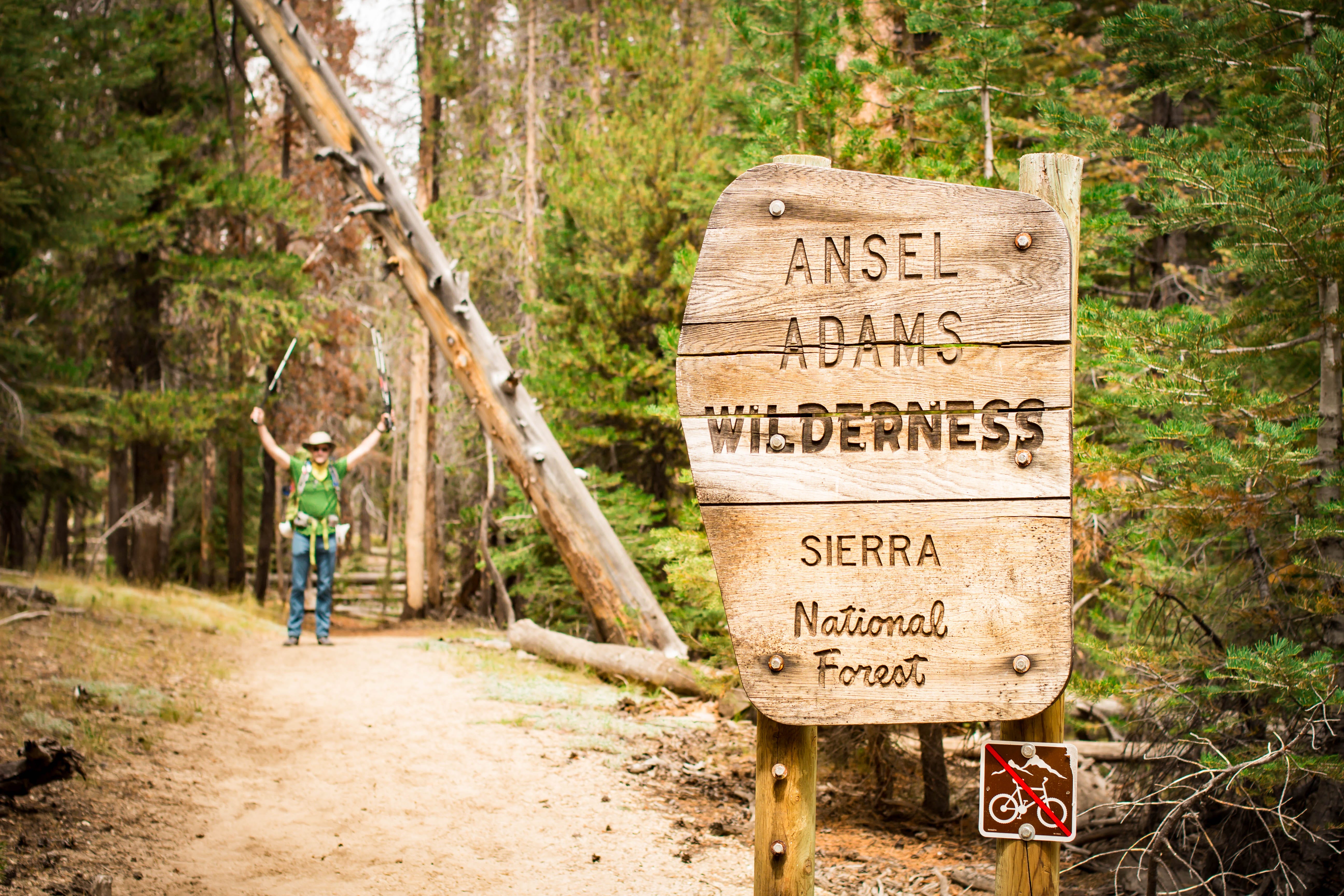
National Forest
Managed by the Forest Service, the mission of which is “to sustain the health, diversity, and productivity of the Nation’s forests and grasslands to meet the needs of present and future generations.”
National Forests are multi-use lands. Five key uses of National Forest land are timber production, water protection, wildlife protection, grazing, and outdoor recreation
This designation aims for relatively little management and restriction while maintaining the overall mission
Some examples: Inyo (CA), Monongahela (WV), Wasatch-Cache (UT)
National Park/Preserve
Created by acts of Congress, managed by the National Park Service (the NPS social media accounts are an absolute delight)
The primary goal of National Parks is environmental preservation, so other uses are more tightly regulated than in a National Forest
National Parks receive high numbers of visitors each year, and many offer educational programs so visitors can learn about the park they’re visiting and about the National Park system overall
Some examples: Shenandoah (VA), Yosemite (CA)
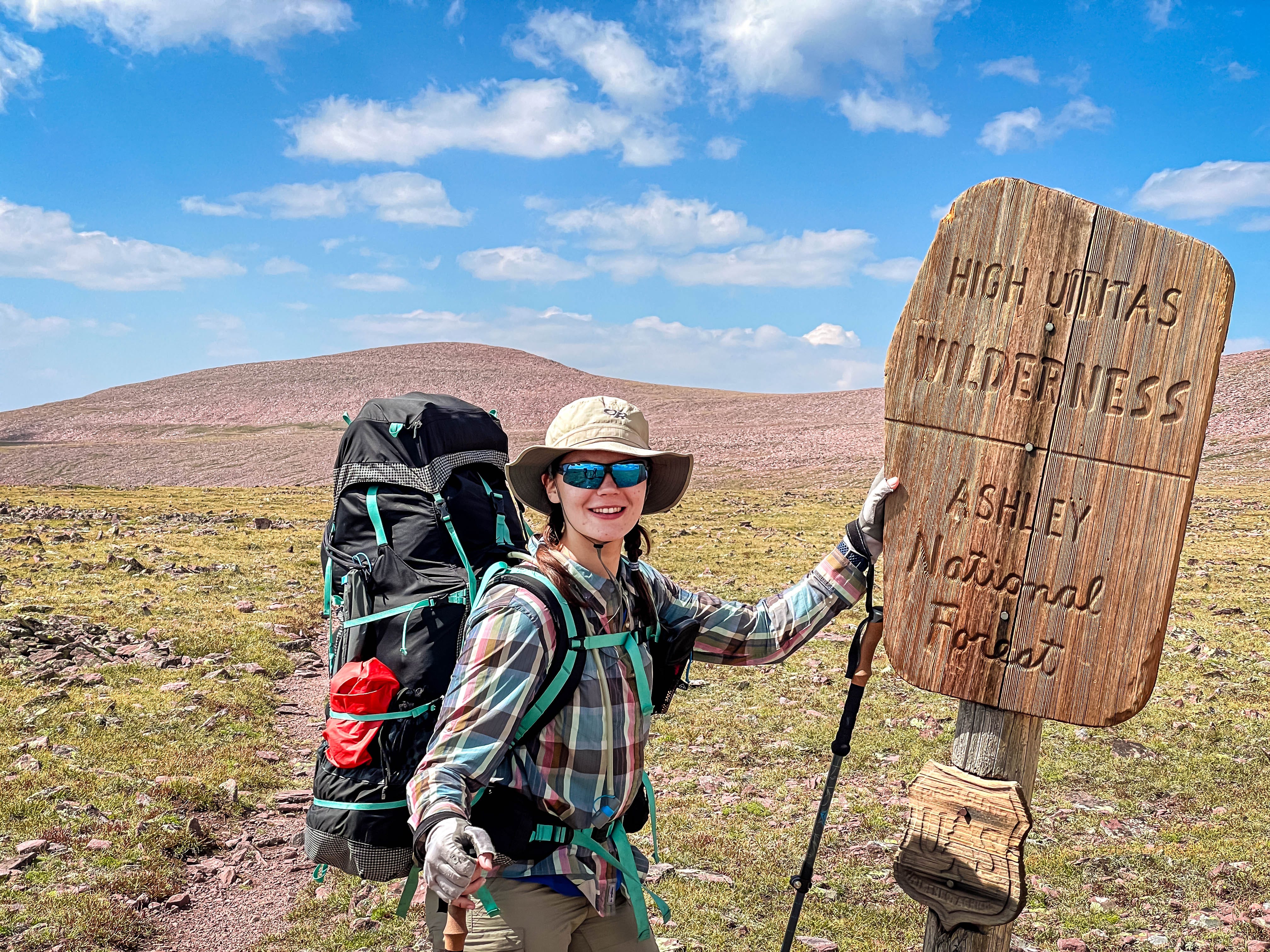
Wilderness Area
The highest form of public lands protection in the US
The Wilderness Act defines wilderness as "an area where the earth and its community of life are untrammeled by man, or man himself is a visitor who does not remain." The Act further defines a wilderness area as "land retaining its primeval character and influence, without permanent improvements or human habitation,... which (1) generally appears to have been affected primarily by the forces of nature, with the imprint of man's work substantially unnoticeable; (2) has outstanding opportunities for solitude or a primitive and unconfined type of recreation; (3) has at least 5,000 acres of land or is of sufficient size as to make practicable its preservation and use in an unimpaired condition; and (4) may also contain ecological, geological, or other features of scientific, educational or historical value."
Some examples: Carson-Iceberg (CA), Dolly Sods (WV), High Uintas (UT)
Some others I’ve been to that may come up in stories of mine:
National Scenic Area
Established by Act of Congress
Allows motor vehicles/mountain bikes but protected from logging, road building, etc (activities that would be detrimental to the natural character)
Example: Mt Pleasant (VA)
National Trail
Designated by Congress
Scenic, historic, or recreation classification
Example: Appalachian Trail (scenic)
National Wildlife Refuge
Managed by the US Fish and Wildlife Service
At least one in every state and territory
Primary focus is wildlife conservation but the majority have recreation opportunities, e.g. hiking trails
Example: Back Bay (VA)
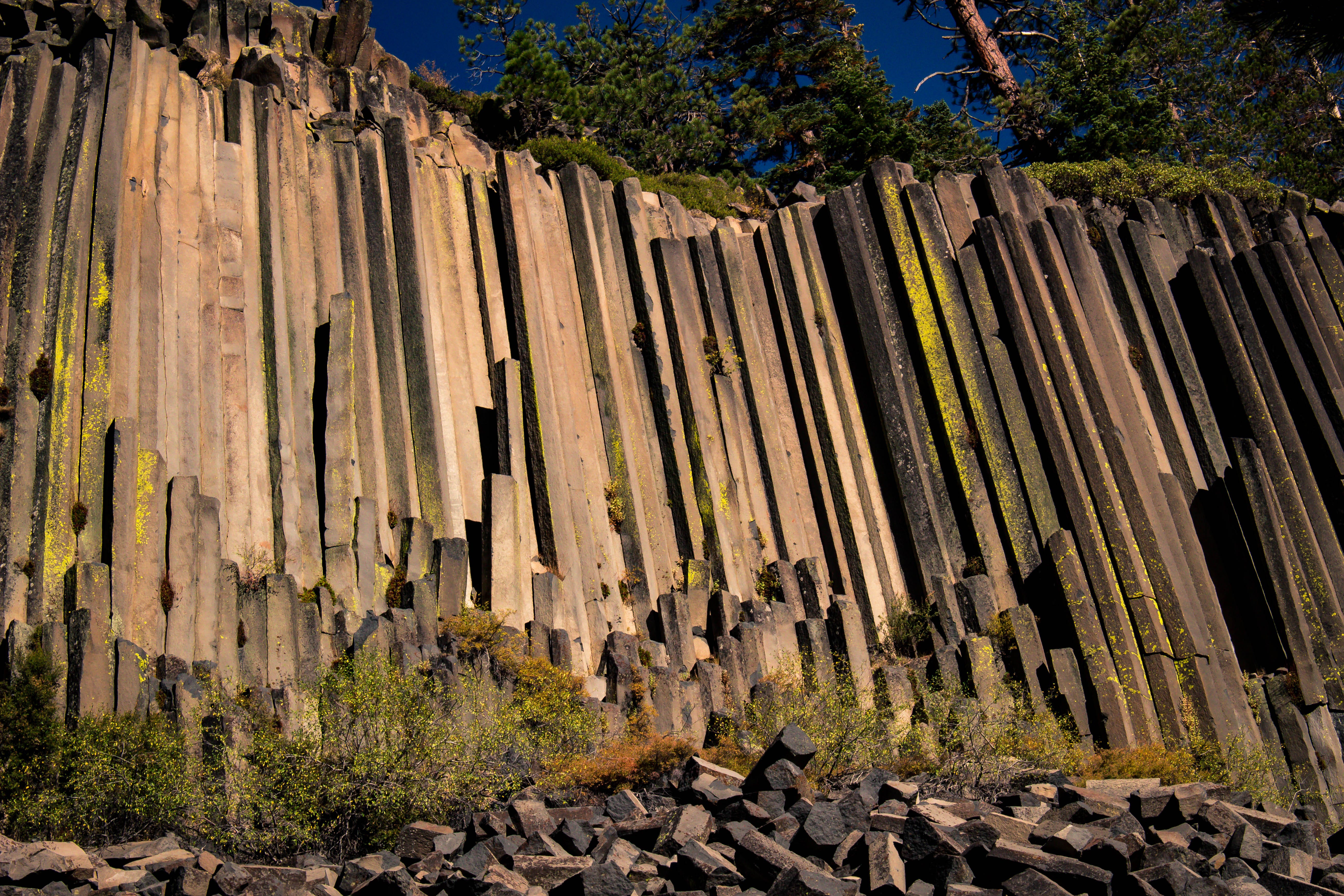
National Monument
Can fall under several managing agencies
Can be natural or historical features
Example: Devils Postpile (CA)
This is just a very quick overview of a few types of land. There are several other designations as well, including National Recreation Areas, State Parks, National Seashores or Lakeshores, and many more!
A note: If you live in or hear news from the US right now (late June, 2025) you may be aware of the current administration’s attempts to repeal various public lands protections and even sell off large tracts of lands for development, logging, drilling, etc. I strongly encourage you to contact your government representatives and urge them to take a stand to protect our public lands! 5 Calls is a great resource for finding your reps and how to contact them, and offers a variety of scripts that can be used for calls or emails.
I am so happy that I found your Substack. I’m heading to the Wind River range in 5 days for backpacking trip
Nice post clarifying the welter of designations. And so infuriating watching the current administration, out of what seems to be inexplicable spite or capriciousness, try to wreck the many generations and many bipartisan efforts over the years to protect our natural treasures. Protecting them is a decision that has to be made every day, whereas building on them is a decision that gets made once and is then with us forever.